Grandma Version
I help companies buy other companies without breaking all the computers.
Good question. I have spent 20+ years turning technology chaos into something that vaguely resembles a plan. These days, that mostly means helping acquired companies merge apps, data, systems, and mystery platforms into the enterprise without setting the stagecoach on fire.
Some people want the grandma answer. Some people want the enterprise architecture answer. Some people accidentally ask for the chaos answer and immediately regret it.
I help companies buy other companies without breaking all the computers.
When companies merge, their apps, logins, data, and systems need to become one ecosystem.
I reduce integration risk, accelerate transition planning, and help standardize platforms after acquisitions.
I lead solution architecture across M&A apps: discovery, rationalization, target-state design, migration, and handoff.
The server is under a desk, nobody owns the app, the docs are gone, and someone just found another ERP.
I help large companies figure out what technology they bought, what should happen to it, and how to move forward without panic clicking through production.
Every acquisition has surprises. Some are normal. Some are named Production_Final_FINAL_v2_REAL.xlsx.
“The server is under a desk.”
Under the jokes is a pretty real workflow: discover the thing, understand the thing, decide the fate of the thing, then move the thing without causing a corporate jump scare.
Find apps, owners, vendors, contracts, databases, integrations, users, risk, and the one guy who knows the batch job.
Keep, migrate, integrate, archive, replace, retire, or place gently into the museum of enterprise decisions.
Build target-state architecture, identity patterns, data flow, security approach, migration path, and support model.
Coordinate teams, unblock weirdness, document everything, and hand it over like a responsible adult.
The work product is not just “meetings happened.” The work product is a pile of things that help teams actually move.
What exists, who uses it, where it lives, what it connects to, and why everyone is nervous.
Because “vibes-based migration strategy” is funny until finance asks for a number.
Cloud, data, identity, integrations, support model, and all the boxes with arrows everyone pretends to understand.
A formal way to say “this could become spicy if ignored.”
Small controlled experiments so nobody migrates a dragon into production by accident.
Future-you deserves mercy. Future-ops deserves a fighting chance.
A scientific and legally questionable framework for evaluating technology decisions found in the wild.
A wildly simplified timeline from database goblin to enterprise architecture chaos translator.
“Databases seem neat.” Famous last words.
Database administration, reporting, high availability, disaster recovery, and the sacred art of keeping systems alive.
Enterprise database work gets serious. SQL Server, Oracle, performance tuning, automation, and documentation nobody reads until there is a fire.
Enterprise architecture enters the chat. Systems, standards, platforms, and the realization that everything connects to everything.
M&A applications chaos mode unlocked. Hundreds of apps. Endless dependencies. Many brave spreadsheets.
Leader of the M&A chaos. Official title: much less interesting.
“Who owns this app?”
No. Also, spiritually, maybe nobody can.
I help companies merge technology environments without accidentally turning the acquisition into a documentary.
Sometimes. But mostly I am the person asking why this app exists, who owns it, what it connects to, and why the password is in a spreadsheet.
Architecture plans, migration strategies, small websites, automation scripts, diagrams, operating models, and occasionally unnecessary emoji confetti.
Serious outcomes. Unserious packaging. Maximum documentation. Minimum panic. More confetti than legally necessary.
A new workstream is born, three systems are discovered, and someone says the word “temporary” in a way that means “forever.”
Apps, data, cloud, architecture, acquisitions, old systems, weird websites, and mystery platforms. If the question is “who owns this thing and what are we doing with it?” — thejoestory probably has a whiteboard open.
Turns out enterprise architecture isn't enough. I spend the rest of my time building things, teaching, writing, running, creating websites, helping people solve problems, and occasionally launching completely unnecessary projects just because they sounded fun.
Most of my best ideas happen somewhere between mile 3 and mile 8. I run year-round, chase stupid goals, sign up for questionable adventures, and somehow keep coming back for more.
Possibly the most prestigious running club in existence. Walmart may be involved.
Deep scripture, clean structure, honest questions, and just enough Gen Alpha seasoning.
Small apps, static pages, FastAPI experiments, and problems that barely needed solving.
A hydration advocacy movement with questionable governance and elite branding.
Big systems. Small websites. Databases. Cloud platforms. Random technical headaches. I genuinely enjoy helping people solve problems and making technology a little less frustrating.
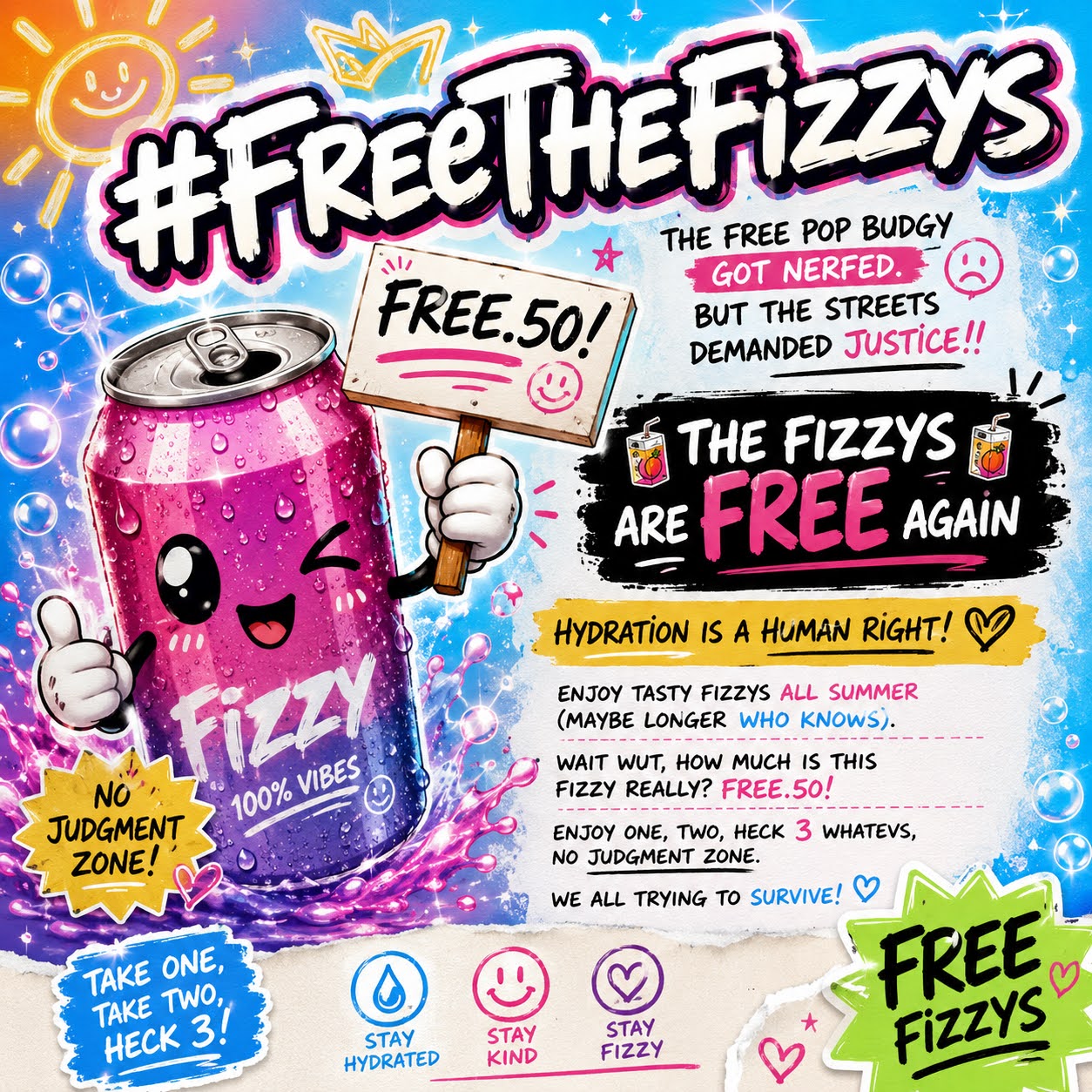
Hydration has been restored.
The people rejoice.